
Why Everything You Think You Know About Mental Health Might Be Wrong: 5 Essential Truths About Mental Health, Stigma, and Recovery
If you’ve ever searched:
What is mental health?
Mental health vs mental illness — what’s the difference?
Is mental illness a weakness?
What are the early signs of mental health problems?
You’re not alone.
Search trends show growing curiosity about mental health myths and facts, mental health statistics, and why mental health matters. Yet despite increased awareness, widespread misinformation continues to shape how we think about mental health conditions.
Here are five essential truths that challenge common misconceptions — and may completely change how you understand mental health.
1. Mental Health Is Not a Crisis Event — It’s a Daily Reality
One of the most common Google searches is:
“Mental health definition.”
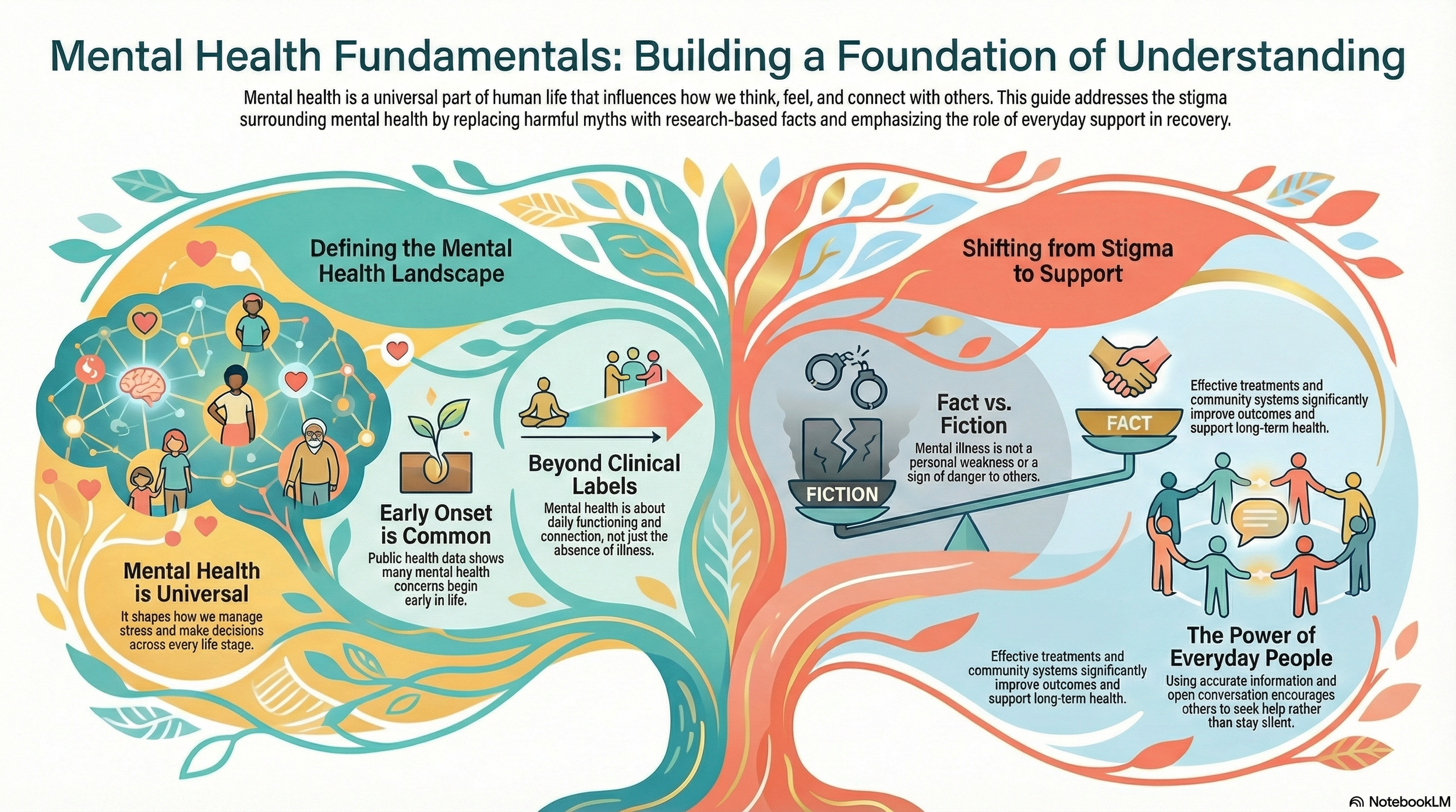
Mental health is not the same as mental illness. It is not something that only appears during a breakdown or psychiatric crisis.
Mental health refers to our emotional, psychological, and social well-being. It influences how we:
Think
Feel
Make decisions
Handle stress
Build relationships
Function at work or school
In other words, mental health is always present — just like physical health.
When we treat mental health as something that only matters during a crisis, we miss the opportunity for prevention and early intervention. Understanding that mental health exists on a spectrum helps us move from reactive care to proactive support.
2. Mental Illness Is Not a Personal Weakness
A highly searched phrase is:
“Is mental illness a weakness?”
The answer is no.
One of the most damaging mental health myths is the belief that anxiety, depression, bipolar disorder, or other mental health conditions reflect a flaw in character or a lack of willpower.
Mental illness is influenced by complex factors including:
Genetics
Brain chemistry
Trauma and stress
Environmental influences
Social determinants of health
Public health data consistently show that mental health conditions are common. In fact, millions of adults and adolescents experience a diagnosable mental health condition each year.
Struggling with mental illness is not a moral failure. It is a health condition.
When we replace shame with science, we lower the barrier to seeking help.
3. Many Mental Health Conditions Begin Early in Life
Another top search query:
“When do mental illnesses start?”
Research shows that many mental health conditions begin in adolescence or early adulthood. Some signs may even appear in childhood.
Common searches include:
early signs of mental illness
early signs of depression in teens
signs of anxiety disorder
symptoms of bipolar disorder
signs of mental health problems
Recognizing early warning signs matters. These can include:
Persistent sadness
Withdrawal from friends
Irritability
Changes in sleep or appetite
Difficulty concentrating
Intense mood swings
Because mental health challenges often begin early, mental health literacy is not just for clinicians. Educators, parents, community leaders, and employers all benefit from understanding the basics.
Early awareness can change long-term outcomes.
4. The Myth That People with Mental Illness Are Dangerous Is False
Search data shows ongoing concern around:
mental health stigma
are people with mental illness dangerous
violence and mental illness
One of the most harmful misconceptions is the stereotype that individuals with mental health conditions are inherently dangerous.
This belief fuels stigma and discourages help-seeking.
In reality, most individuals living with mental illness are not violent. In fact, people with severe mental illness are more likely to be victims of violence than perpetrators.
Mental health stigma creates barriers to:
Treatment access
Employment
Social inclusion
Honest conversations
Reducing stigma begins with accurate information. When we replace fear with facts, we create safer pathways for recovery.
5. Recovery from Mental Illness Is Possible — and Common
Another highly searched question:
“Can mental illness be cured?”
While some mental health conditions are chronic, many are highly treatable. Recovery does not always mean symptoms disappear entirely — it means individuals can live meaningful, functional lives with the right support.
Search terms include:
recovery from mental illness
can depression go away
anxiety treatment options
therapy for mental health
medication for depression
how to improve mental health
Effective treatment may include:
Psychotherapy
Medication
Lifestyle changes
Social support
Community-based services
Mental health recovery is not a solo journey. It is supported by informed families, workplaces, schools, and communities.
When everyday people understand mental health myths and facts, they become part of the recovery process.
Why Mental Health Matters More Than Ever
If you’ve searched:
why mental health is important
mental health awareness
mental health statistics in the U.S.
how to support someone with mental illness
You’re participating in a larger cultural shift.
Mental health affects:
Workplace productivity
Academic success
Physical health outcomes
Family stability
Community well-being
Mental health is not a niche issue. It is a public health issue.
Understanding the difference between mental health and mental illness, recognizing early signs, reducing stigma, and promoting recovery are foundational to a healthier society.
Final Reflection: Changing the Narrative Around Mental Health
What would change if we stopped asking,
“Why can’t they just be stronger?”
And started asking,
“What support would help them thrive?”
Mental health education replaces myths with evidence.
It transforms silence into informed conversation.
It shifts us from judgment to compassion.
When we understand what mental health truly is — not just what we’ve been told — we build a world where seeking help is normal, recovery is expected, and stigma no longer dictates the narrative.